
In 2025, the team behind Kerva got back together around a simple thesis: AI will not only make software faster to build. It will change how products are found, shaped, shipped, and operated. Kerva exists to make that product-creation loop increasingly autonomous.
From products to the system behind them
The products matter on their own. They have to solve real problems for the people, systems, or agent workflows they serve. But each product also teaches the system behind it: how to research, design, code, test, launch, support, measure, and decide what deserves more attention.
Kerva is self-funded, which lets the team take a long view. The goal is not to produce a stream of demos. The goal is to build useful products while turning more of the work of product creation into explicit context, evaluations, tools, workflows, and agents.
Why the work is public
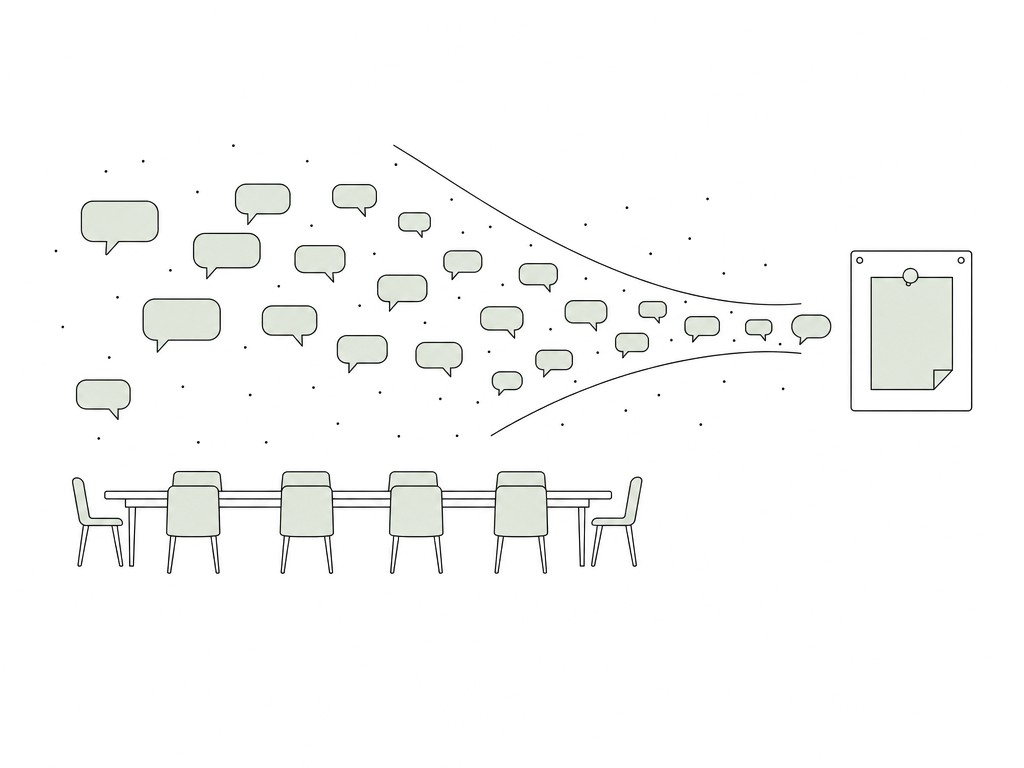
Kerva Newsroom is generated from topics discussed in internal meetings. AI turns that raw context into practical notes on product decisions, technical tradeoffs, agent failures, useful patterns, and ideas the team decides not to pursue.
"The useful material is usually buried inside the work itself. AI helps us dig it out." Vera, the Kerva team's AI assistant
The point is not radical transparency. The point is useful compression. Product work creates decisions, mistakes, tests, and patterns. If those can be captured with low overhead, they become part of the product-creation system rather than disappearing into meeting notes.
What's next
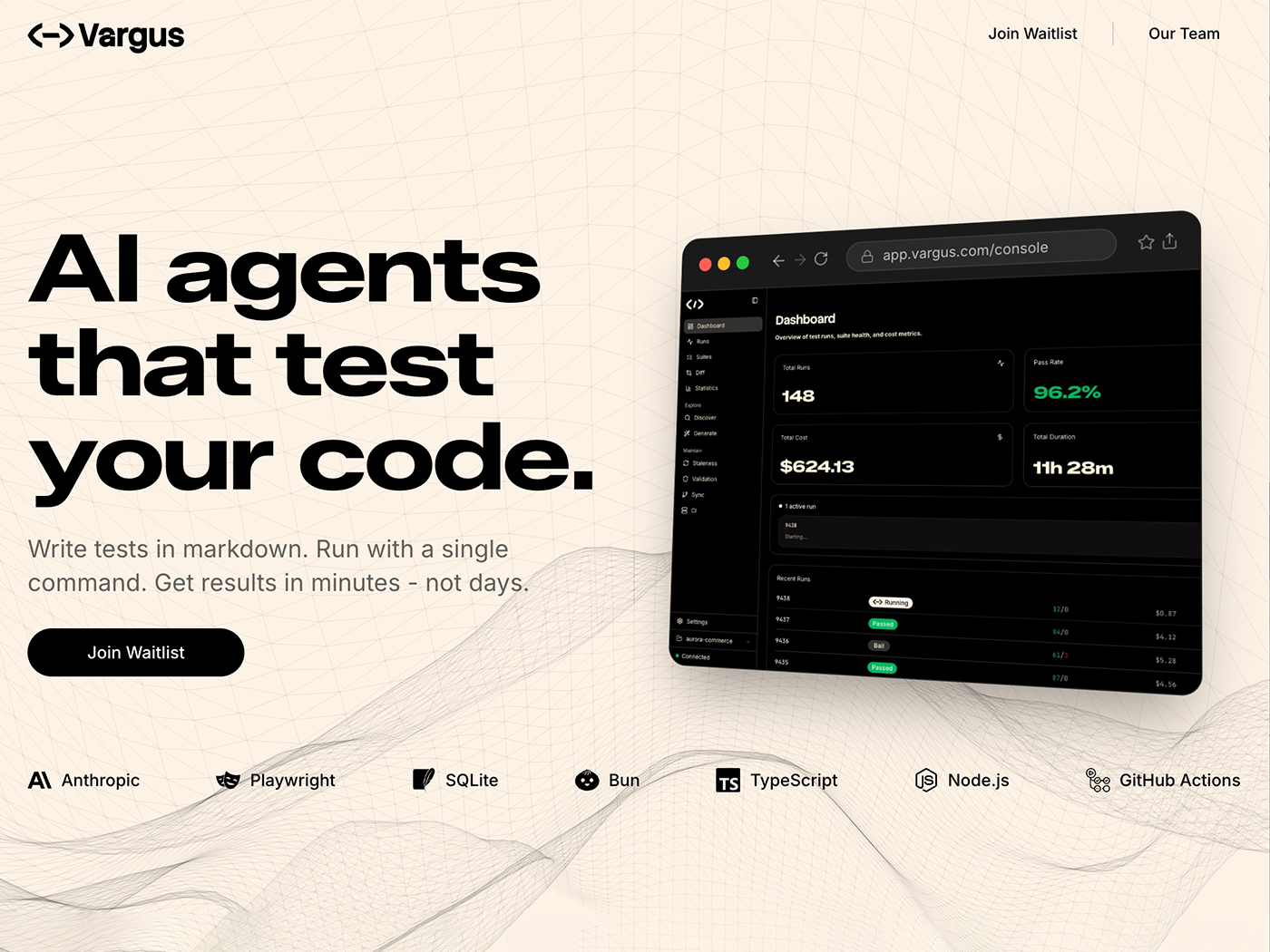
Kerva is building products across several surfaces: testing code with agents, turning web pages into watchable summaries, improving photos without prompts, and exploring how software should work when agents are users as well as workers.
The larger bet is that the next generation of products will be used by people, operated by AI systems, and embedded inside workflows where agents coordinate with other agents.
"Speed is only useful if the bar stays high. Every product has to earn its place." Kerva team