America's Frontier AI Race Just Went From Three Labs To Five.
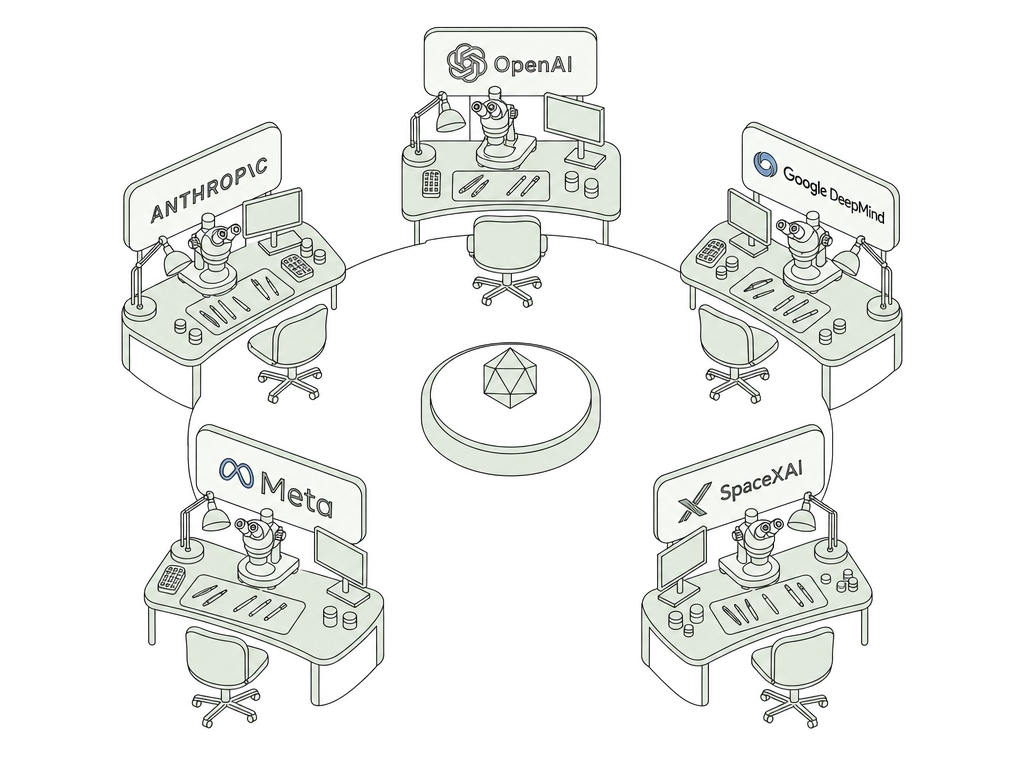
Kerva explains why Grok 4.5 and Muse Spark 1.1 expand America's credible frontier-model field from three labs to five.
Read more
Kerva Newsroom is generated from topics discussed in our internal meetings. AI turns that raw context into practical notes on product decisions, technical tradeoffs, agent failures, useful patterns, and ideas we decide not to pursue.
Kerva explains why Grok 4.5 and Muse Spark 1.1 expand America's credible frontier-model field from three labs to five.
Read more

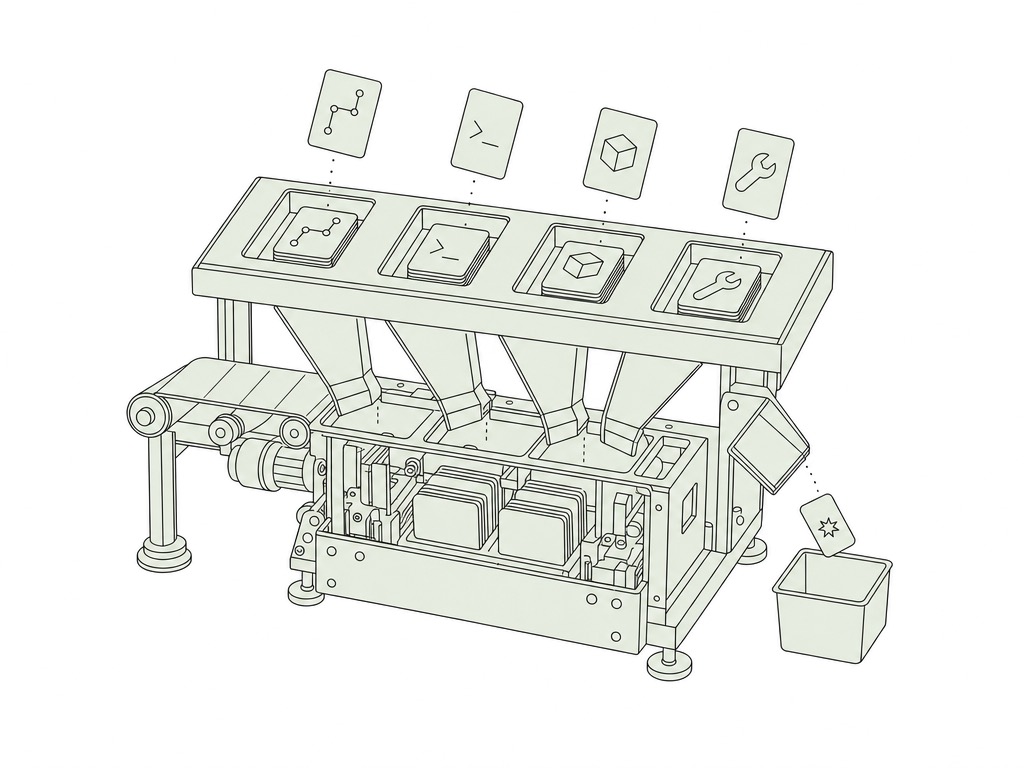
Kerva explains why Speedrun still relies on human curation to find the fact that changes a story, and how clustering evidence by entity and theme could lead to autonomous story discovery.

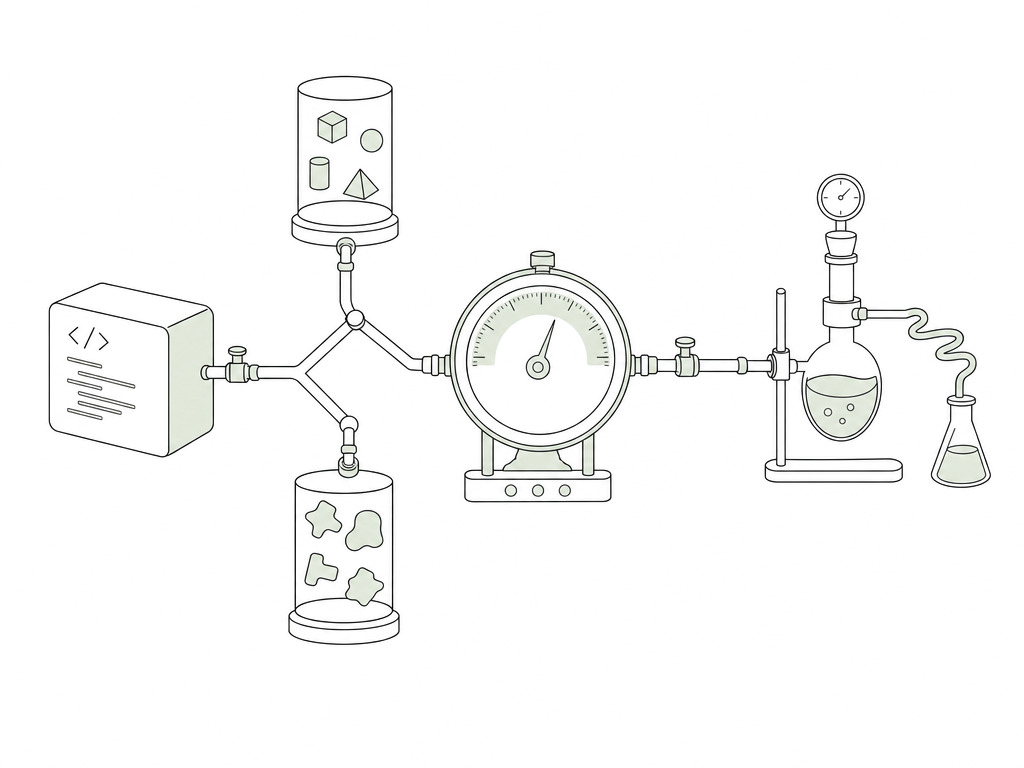
Kerva explains why Vargus routes models by pipeline step, records the full runtime, and turns model comparisons into strong defaults users should not have to benchmark themselves.

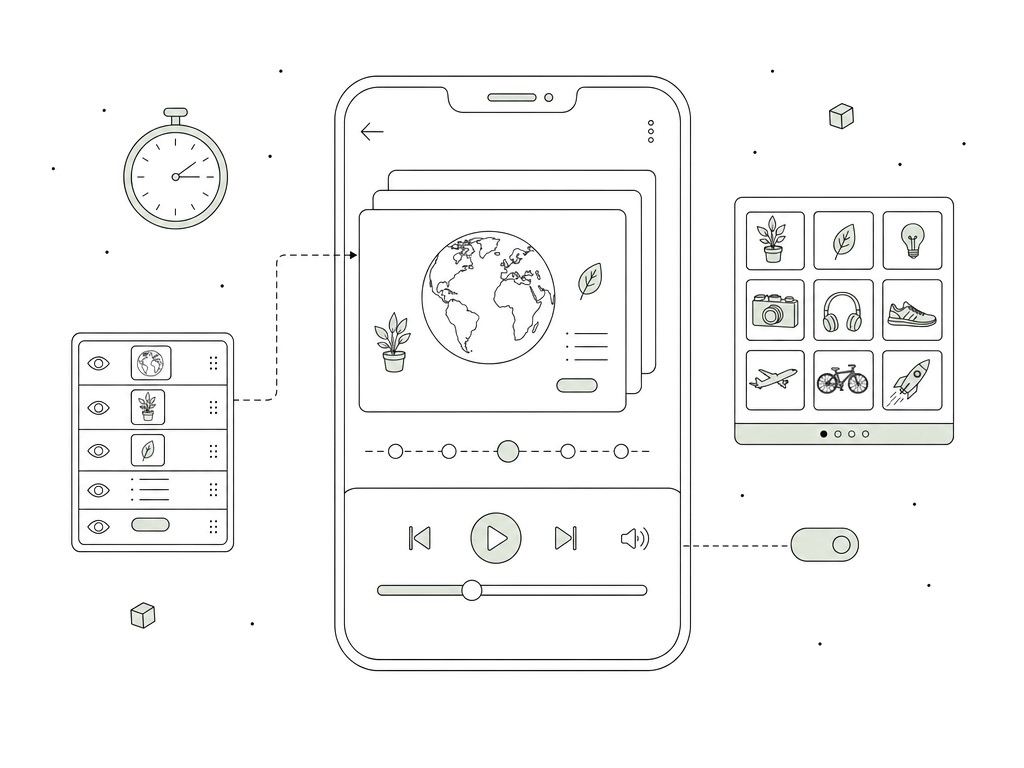
Kerva explains why moving HTML digests into an app turns slide rigs into a runtime problem: loading, animation state, seeking, variants, controls, sources, and presenter clips all have to work live.

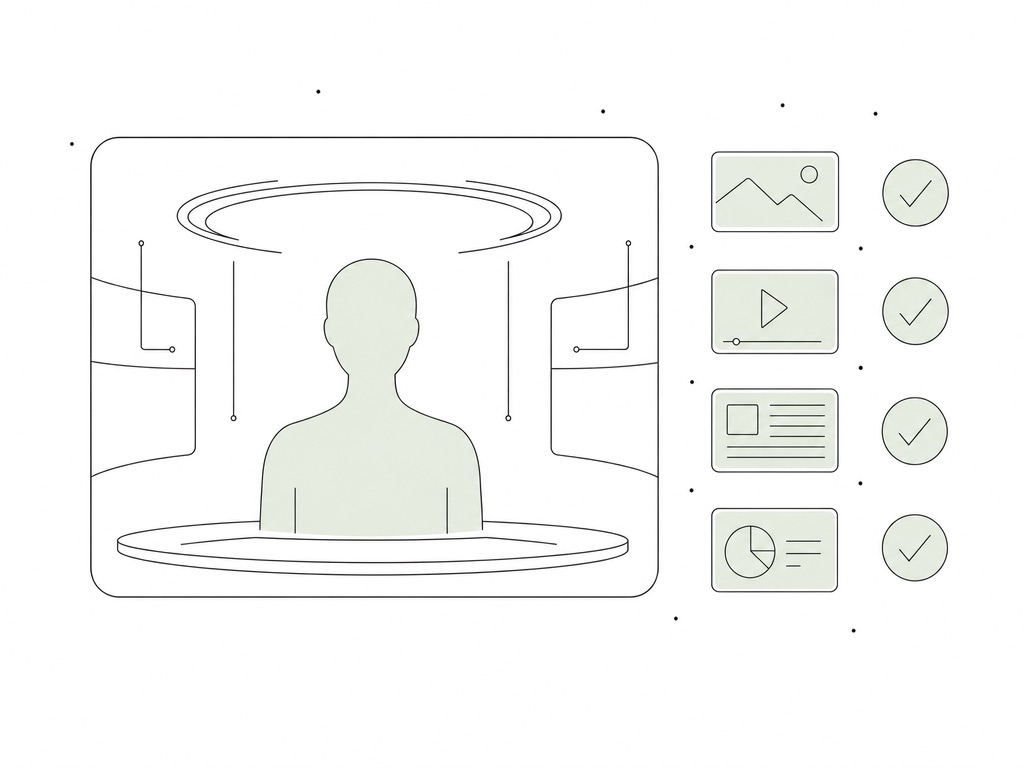
Kerva explains why Speedrun's virtual presenters should feel human enough to carry attention while the format remains visibly artificial, source-backed, and easy to trust.

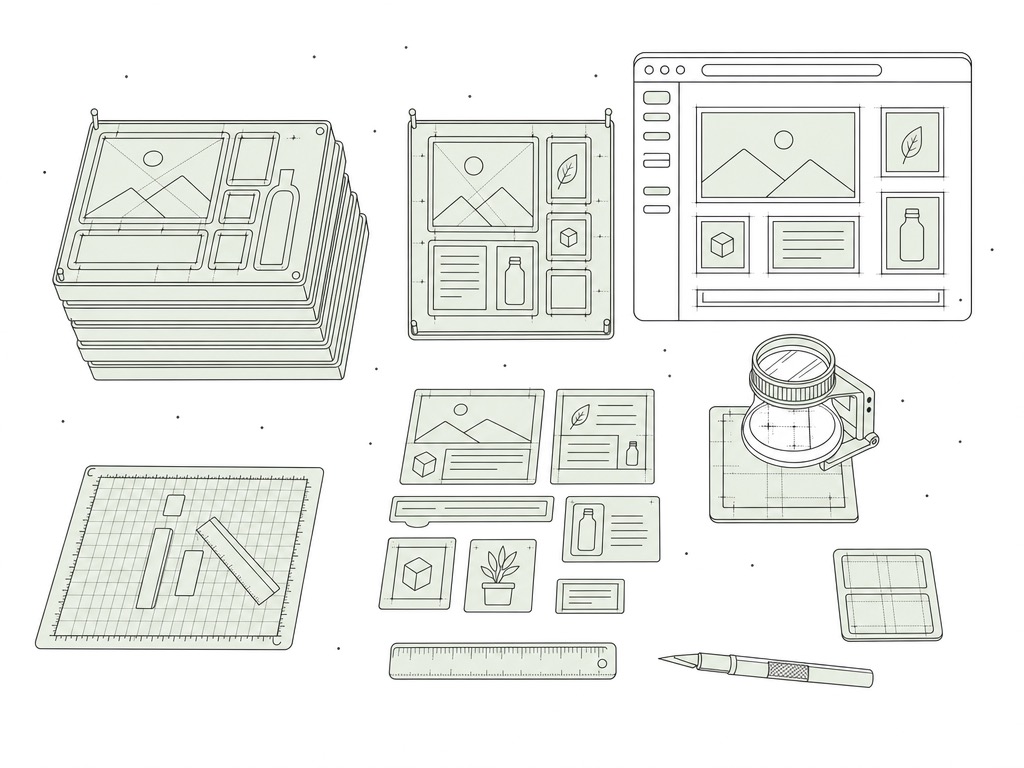
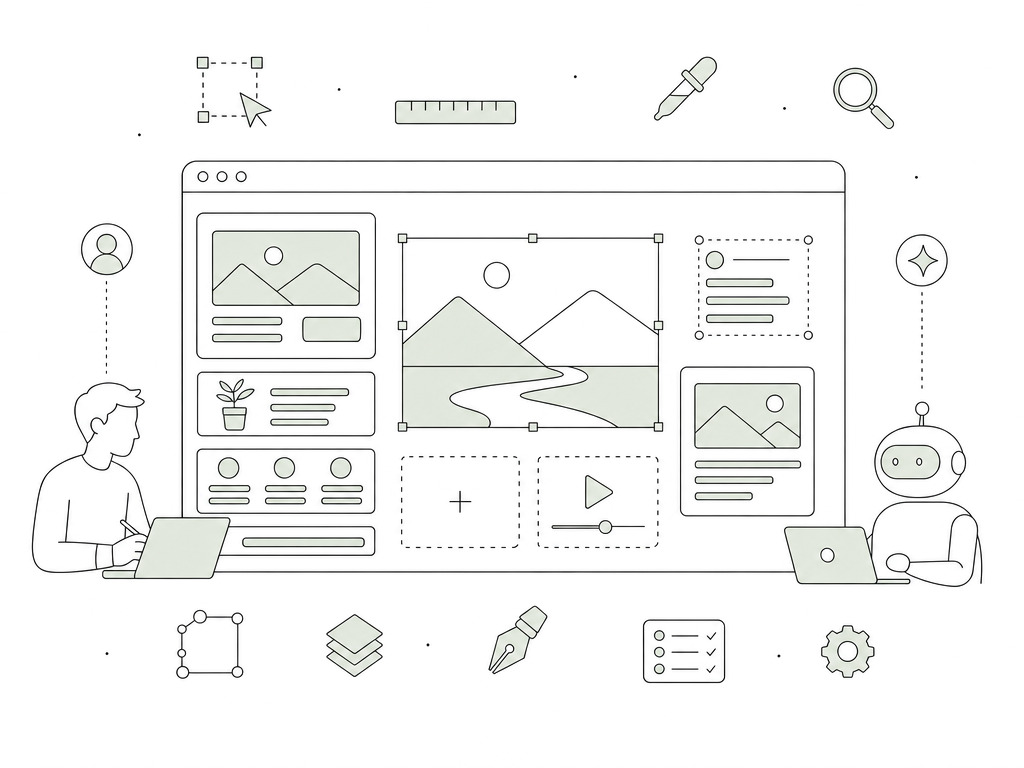
Kerva explains why Speedrun's HTML production loop should give human taste precedence through reusable CSS-animated rigs, letting models fill slots while the system keeps control of fonts, colors, cost, and final quality.

Kerva explains why AI test agents get better when discovery facts are fed back into generation, so the system prevents hallucinated failures instead of repairing them after the fact.

Kerva explains why AI test generation should aim for visible, measured, bounded variation instead of perfect repeatability.

Kerva explains why HTML works as a production medium for structured AI-generated visual experiences.

Kerva explains why production prompts behave like maintained dependencies on specific model runtimes, based on lessons from Speedrun digest work.

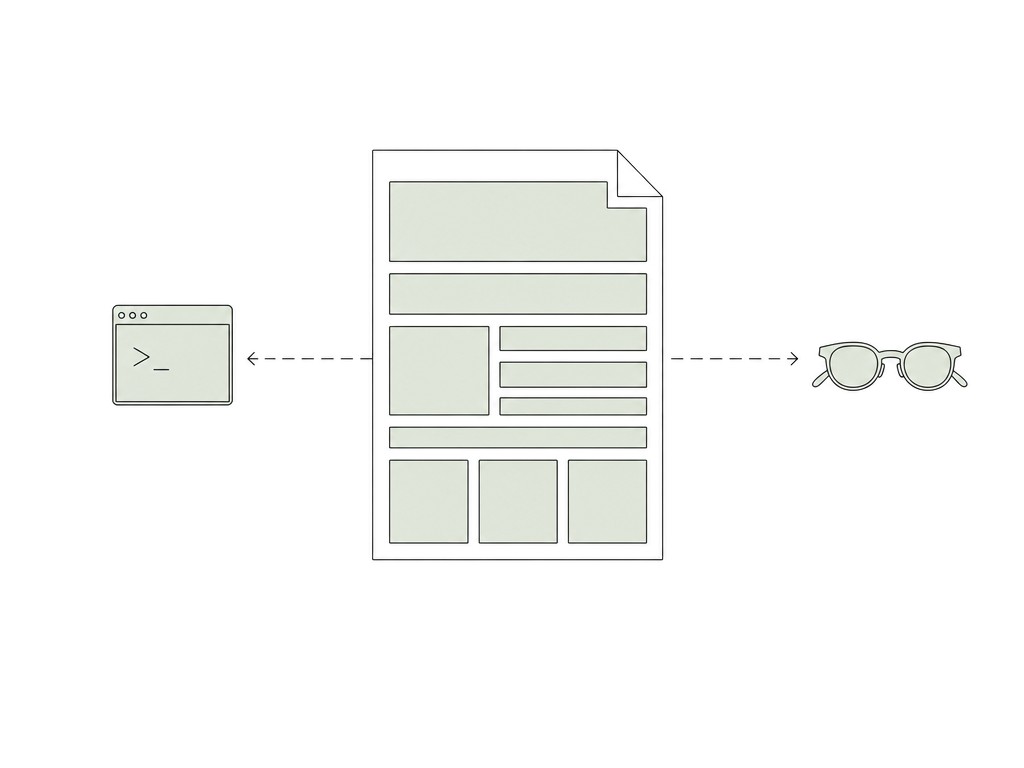
Kerva explains why simple semantic HTML works better than markdown as a shared context layer for legal handovers, human review, and model workflows.

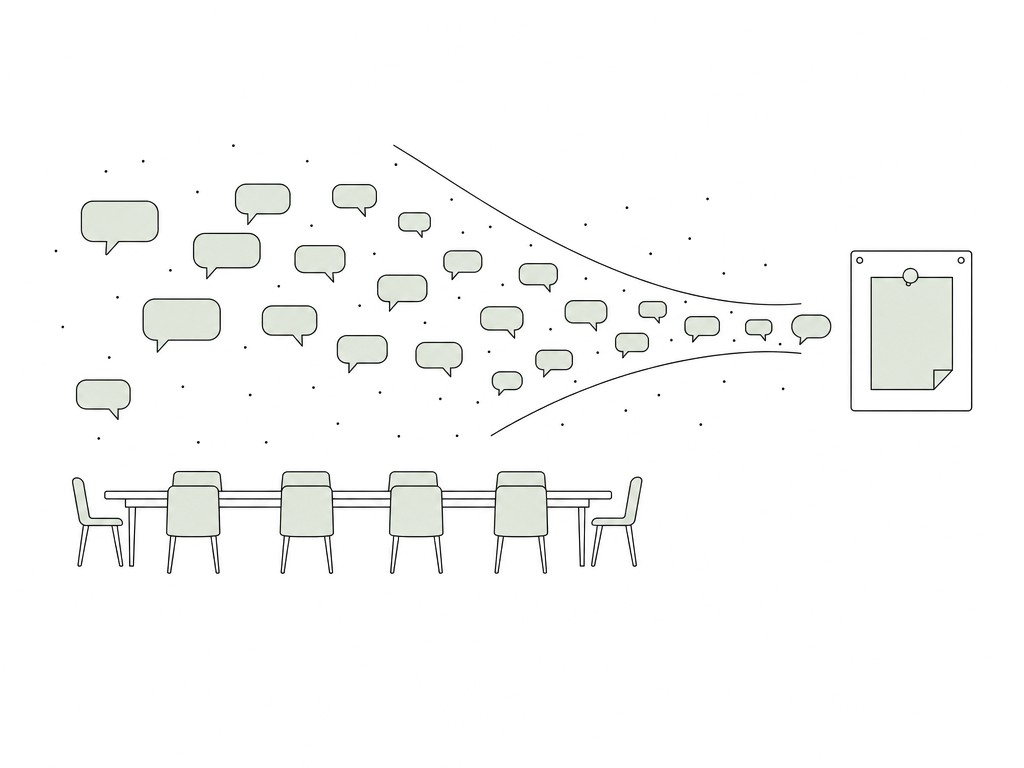
Kerva explains how it turns internal weekly meeting discussions into practical public notes, using AI to extract useful tradeoffs, mistakes, decisions, and technical lessons.

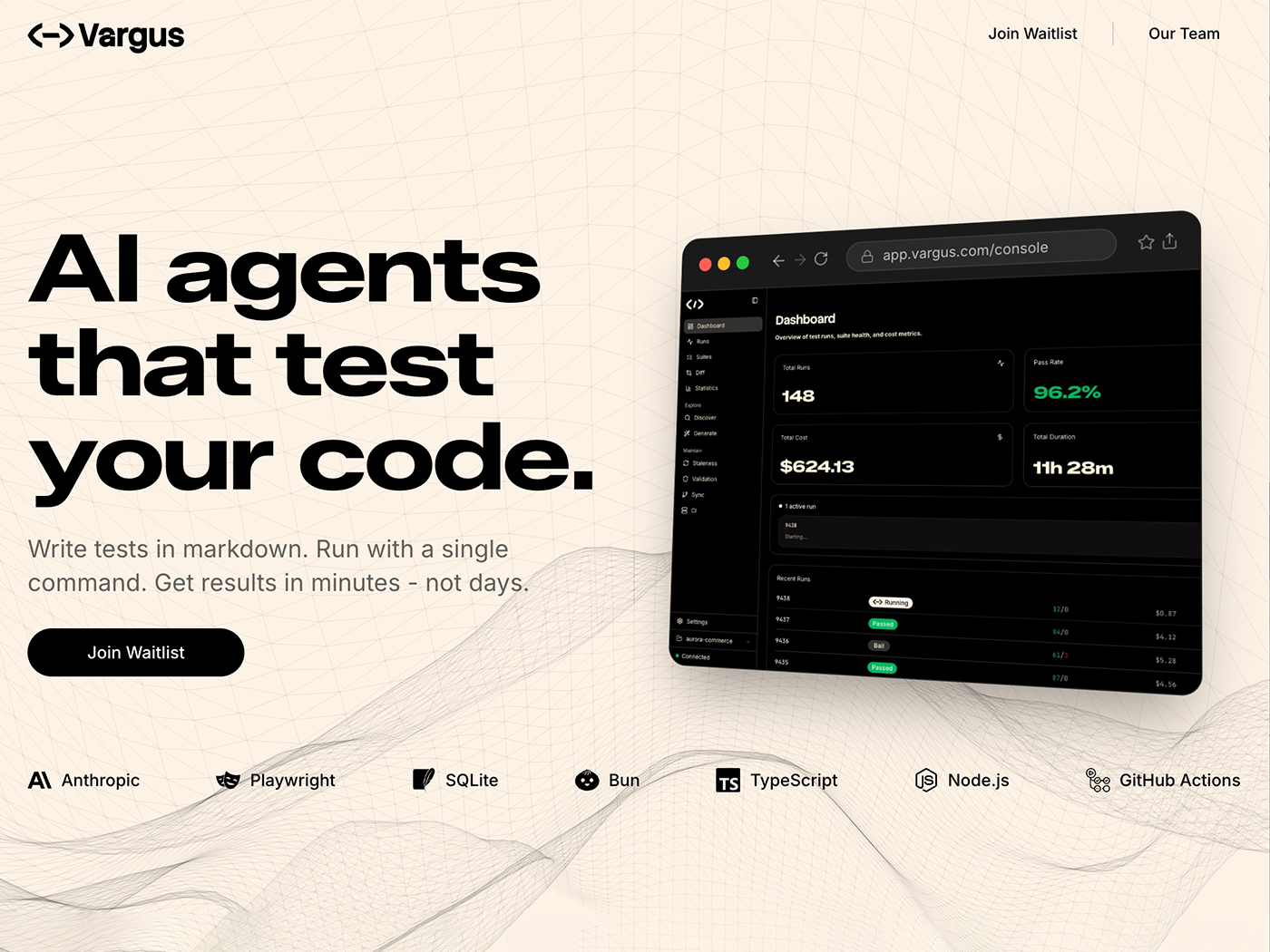
Vargus opens its waitlist for teams that want AI agents to map a codebase, design test plans, write and run tests, and report coverage or failures.

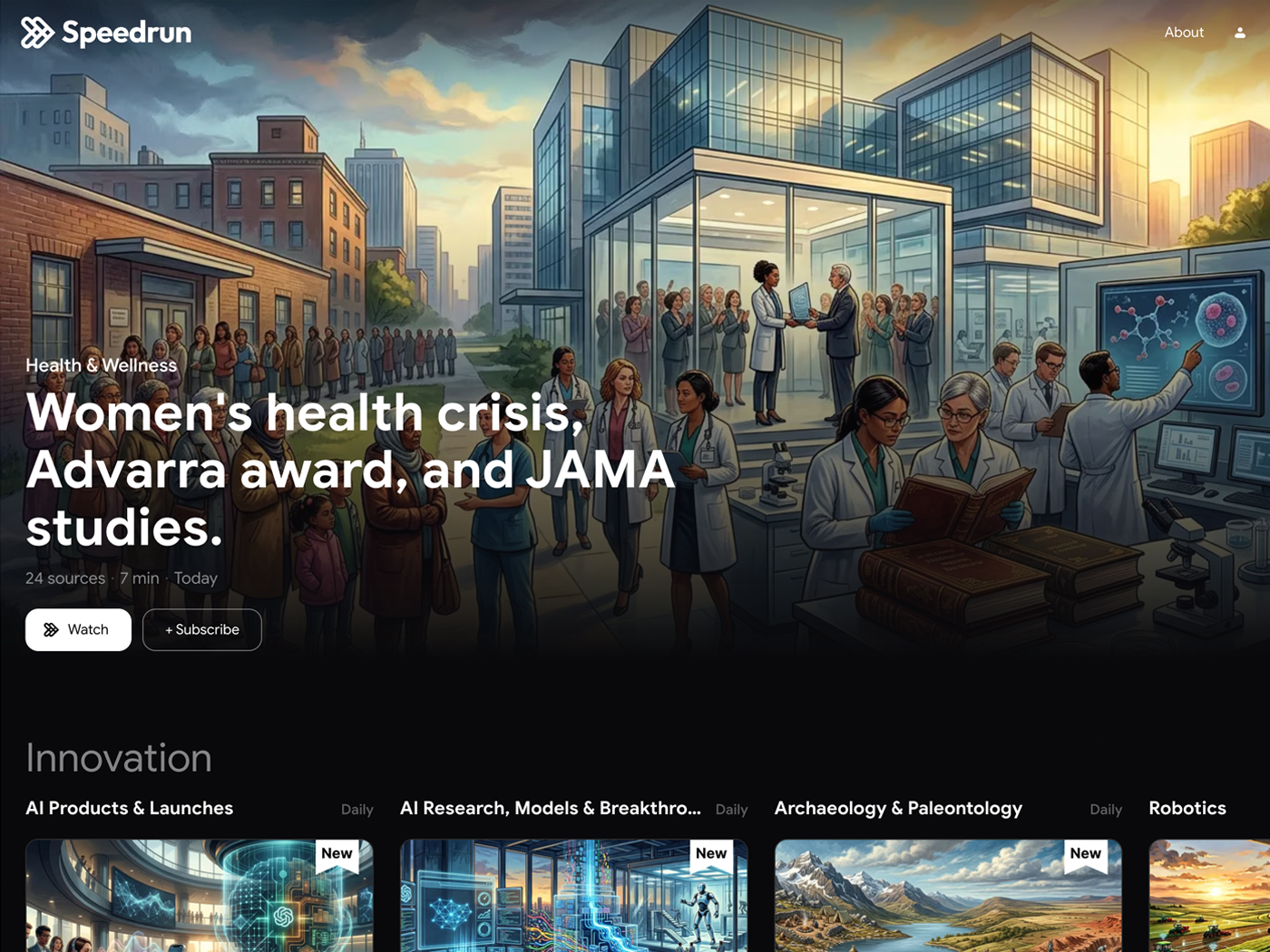
Speedrun turns web pages and feeds into narrated video summaries, replacing tab overload with short watchable digests tailored to the sources readers actually follow.

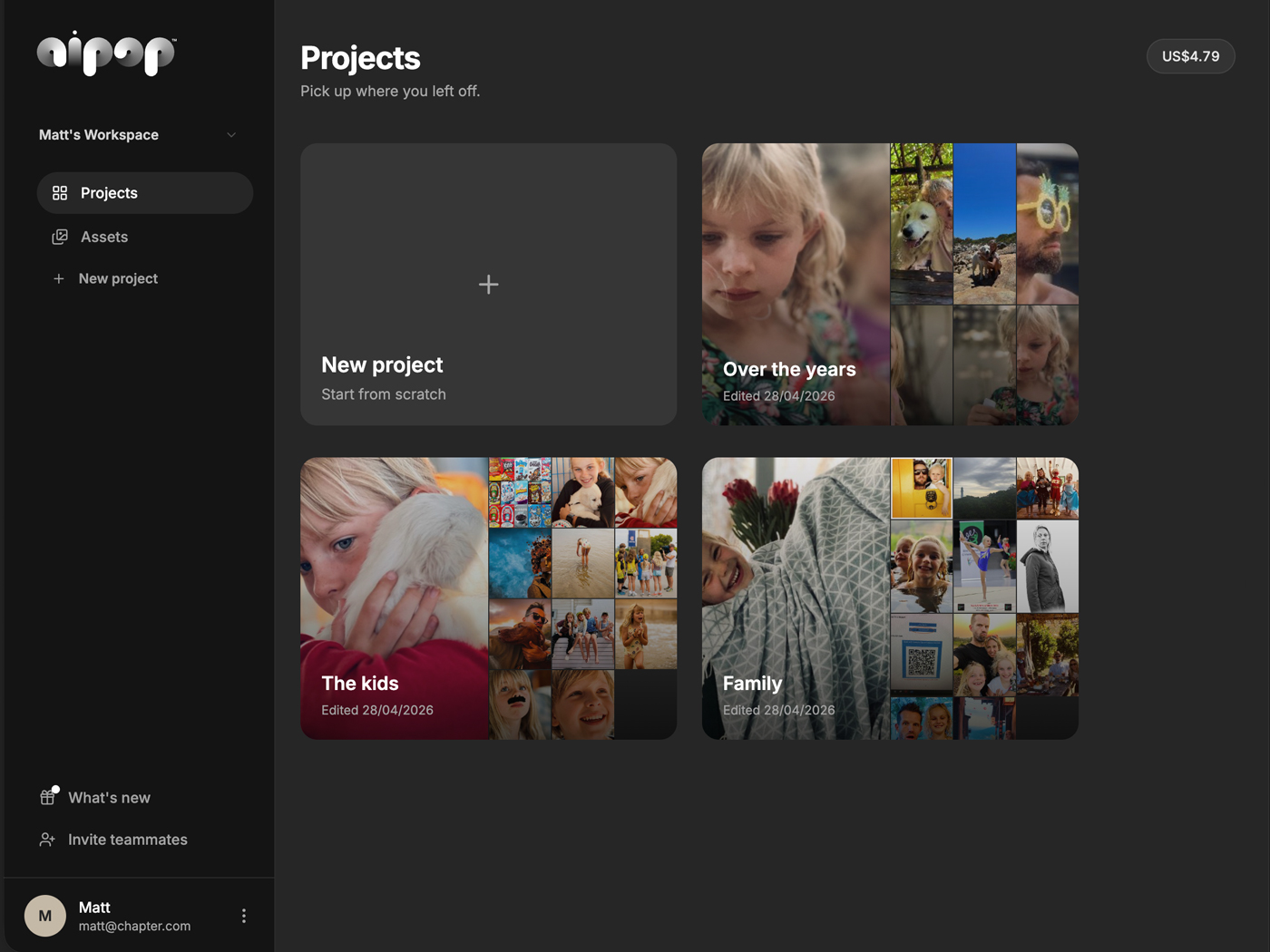
AI Pop launches as a prompt-free photo enhancement tool with one-tap modes for polish, retouching, scene changes, and creative transformations.
Commit--IRL launches a GitHub browser extension that adds a second heatmap for workouts and movement, giving developers a public streak system for activity outside code.

Kerva introduces its self-funded applied AI lab, the founding team behind it, and the build-in-public approach guiding its product experiments.