
We recently asked Speedrun whether SpaceX was actually broke. The automatic outputs were coherent, with plausible angles on a possible IPO and Starship costs, but five of six missed the compute-rental agreements that changed the financial framing. Without them, the AI operation looked mainly like a cash drain. With them, the spending might also be creating a substantial new revenue line.
The writing was fine. The story was wrong.
A Good Script Hid The Failure
This was easy to miss because nothing looked obviously broken.
The models had found real facts and turned them into coherent scripts. The problem was that they moved the centre of the story away from the fact we thought mattered most. A polished script made that editorial decision feel more inevitable than it really was.
When we supplied a detailed human-written direction that named the missing context and left the conclusion open, the script improved immediately. We then reduced that direction to a shorter, specific brief and kept most of the quality.
That told us that Speedrun's writing step had become steerable. It also showed that the human was still doing the hardest part before the prompt reached the model. The important contribution was not better prose. It was deciding which fact changed the interpretation.
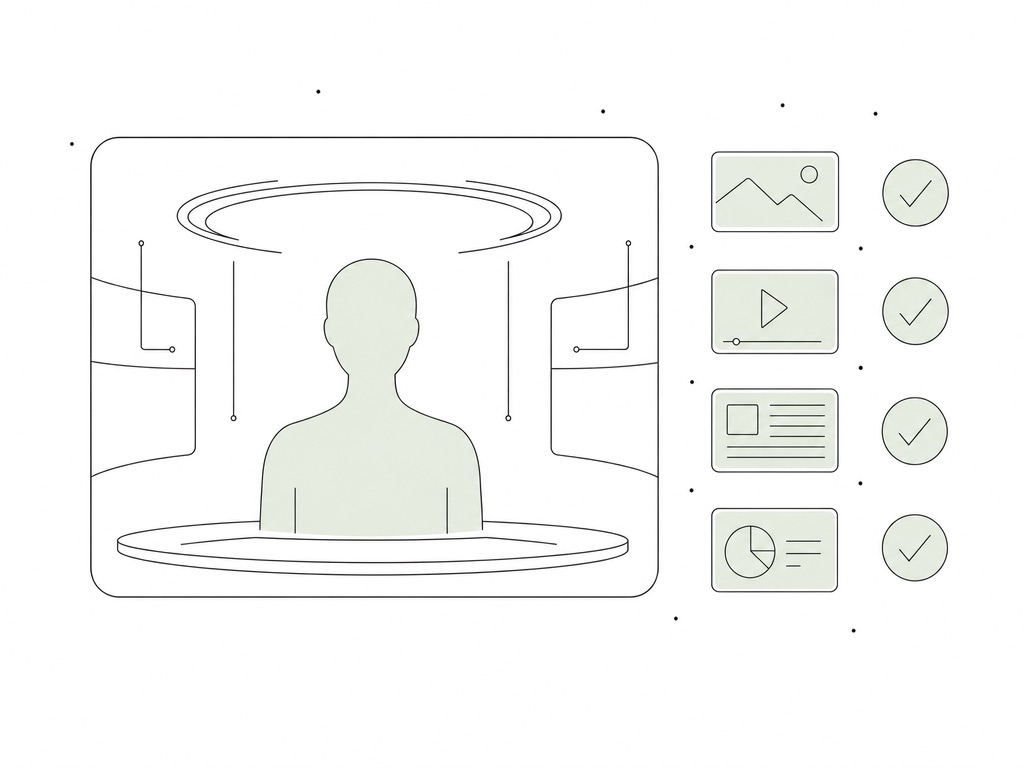
We had another useful comparison. An existing creator's script went through the same production system and the result held up well. The presenter, slides, pacing, and HTML runtime were no longer the obvious bottleneck. When the input story was strong, the rest of the system could carry it.
More Research Did Not Recover The Fact
Our first response was to add more research.
We asked a deep-research system for a long report on the topic, then used that report as the source for a 200-word script. The report ran to several pages and still omitted the compute agreements. Changing the writing model did not recover them either.
That matters because research volume and editorial judgment are not the same thing. A system can collect a large amount of true information while still missing the fact that changes how the rest should be understood.
We then tried an early form of story mining. Rather than asking for one script immediately, we generated possible facts, theses, subtopics, structures, and endings. We ran several paths in parallel so the system would not commit to the first plausible angle.
The outputs became more varied, but the important agreements were still usually missing. Generating more options did not solve the problem because the decisive fact was not reliably entering the set of options.
That first experiment did not give us autonomous story discovery. It did make the failure easier to see.
Human Curation Is The Working System
For now, we are curating the story before Speedrun writes it.
The system can produce different directions and a person can decide which fact deserves to sit at the centre. That intervention happens much earlier than sentence editing. It determines what the piece is actually about.
This is useful because it lets us separate story quality from writing quality. If the selected direction is strong and the final script is weak, the writing step needs work. If every direction misses the material fact, the problem happened earlier.
What Autonomous Story Mining Could Become
The goal is for Speedrun to produce new content through story mining rather than wait for a finished thesis.
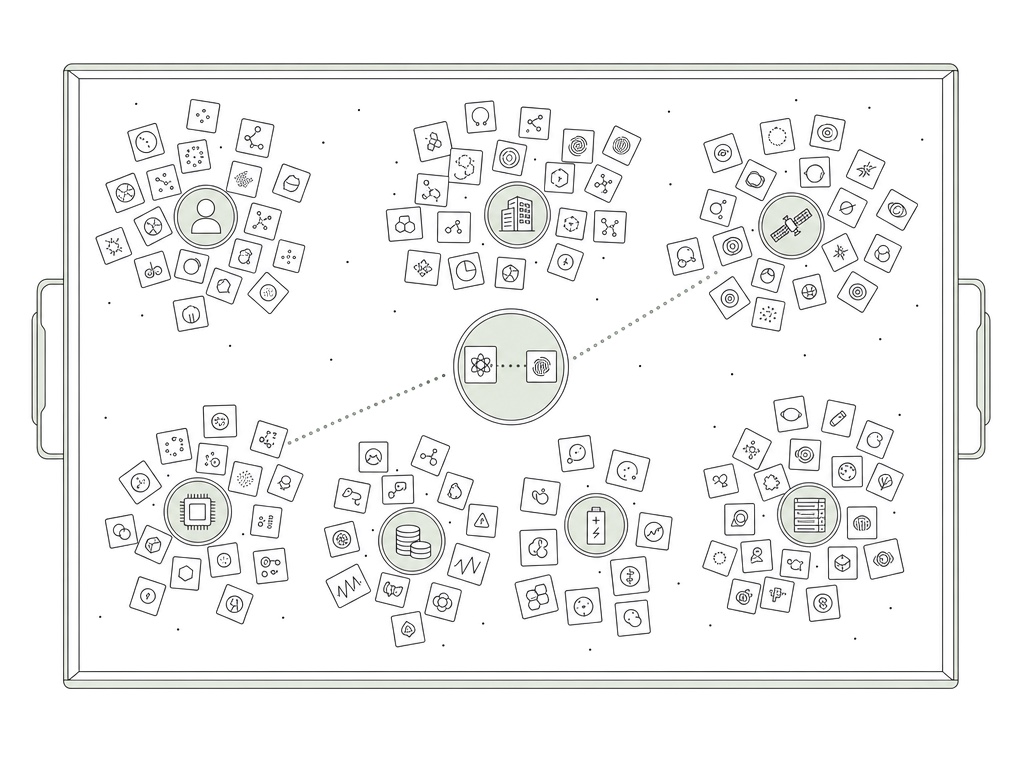
One direction we are exploring is to begin with a broad field and extract many potentially useful facts before deciding what the story is. Those facts might be clustered around entities such as people or companies, or around themes such as token economics, compute markets, regulation, or distribution.
The interesting story may emerge where those clusters overlap. In the SpaceX example, the compute agreements were relevant to the company, but they also belonged to a broader theme about the economics of AI infrastructure. Looking across both views might have made that connection harder to discard.
We are thinking about this as a wider search across evidence before any thesis becomes fixed. Frontier models can explore broad material and surface relationships, while the content harness keeps the supporting sources visible as promising angles take shape.
The useful measure is whether the system surfaces connections we did not provide in advance and carries them through to the final script. That moves the work beyond generating more variations of an obvious story and toward discovering genuinely new angles.
We will keep pushing the limits of frontier models and the content harnesses around them. We are trying to build an autonomous system from which stories emerge that we might never have thought to ask for: surprising, defensible angles found across broad fields and turned into well-researched, accurate, entertaining content.