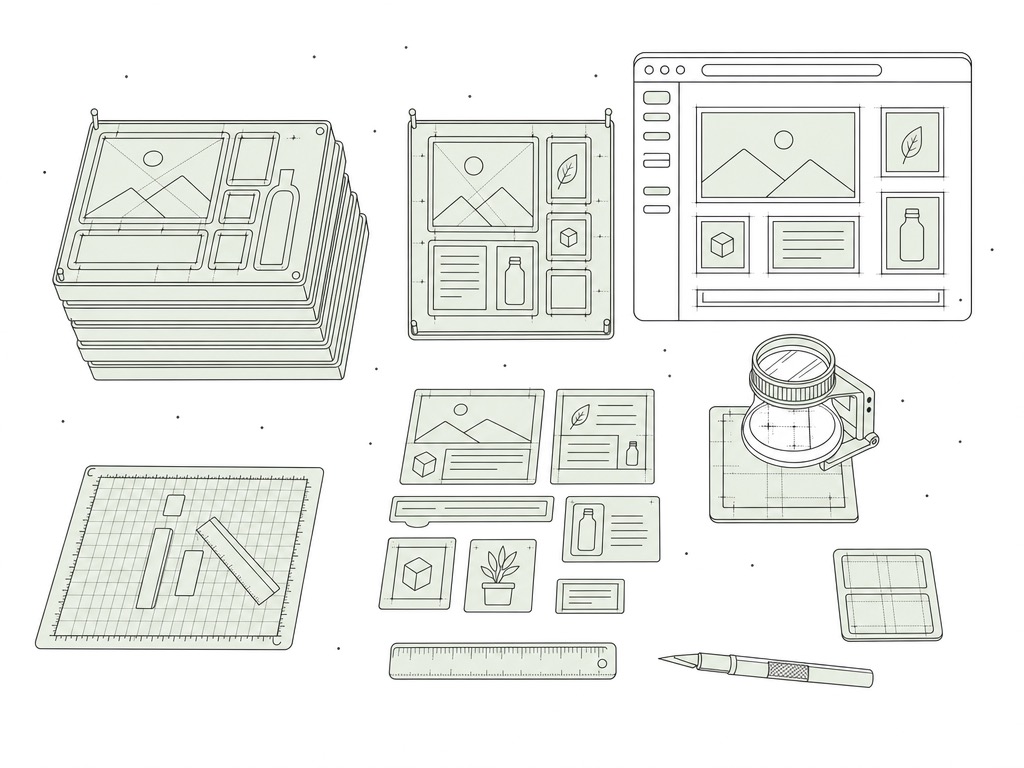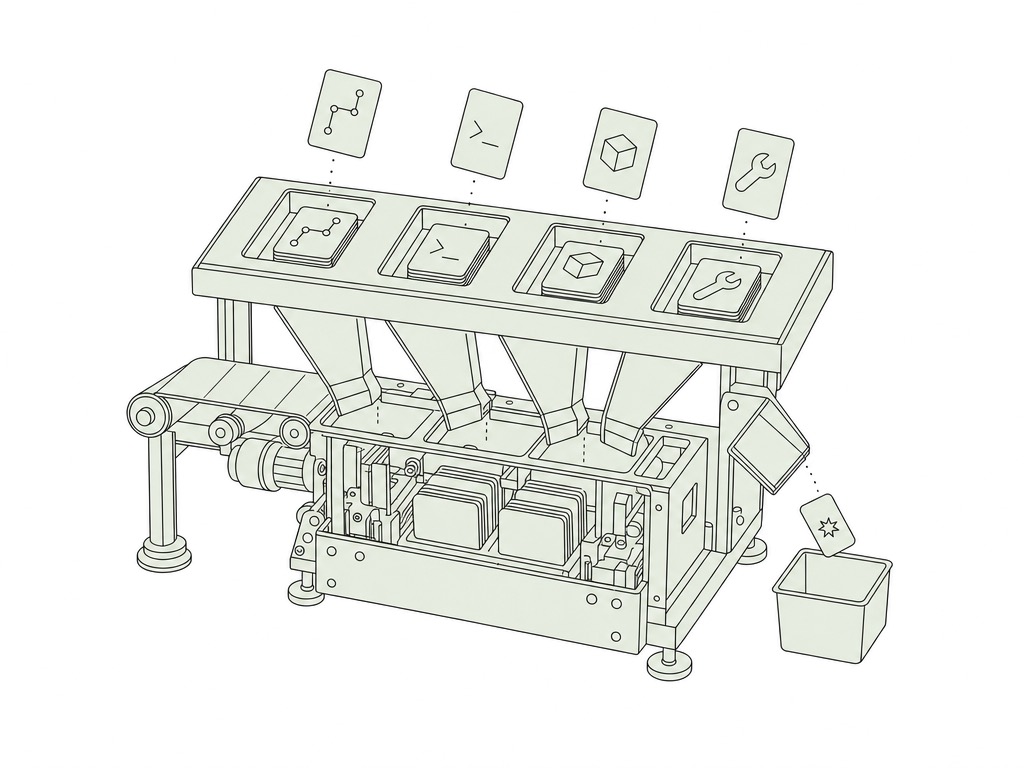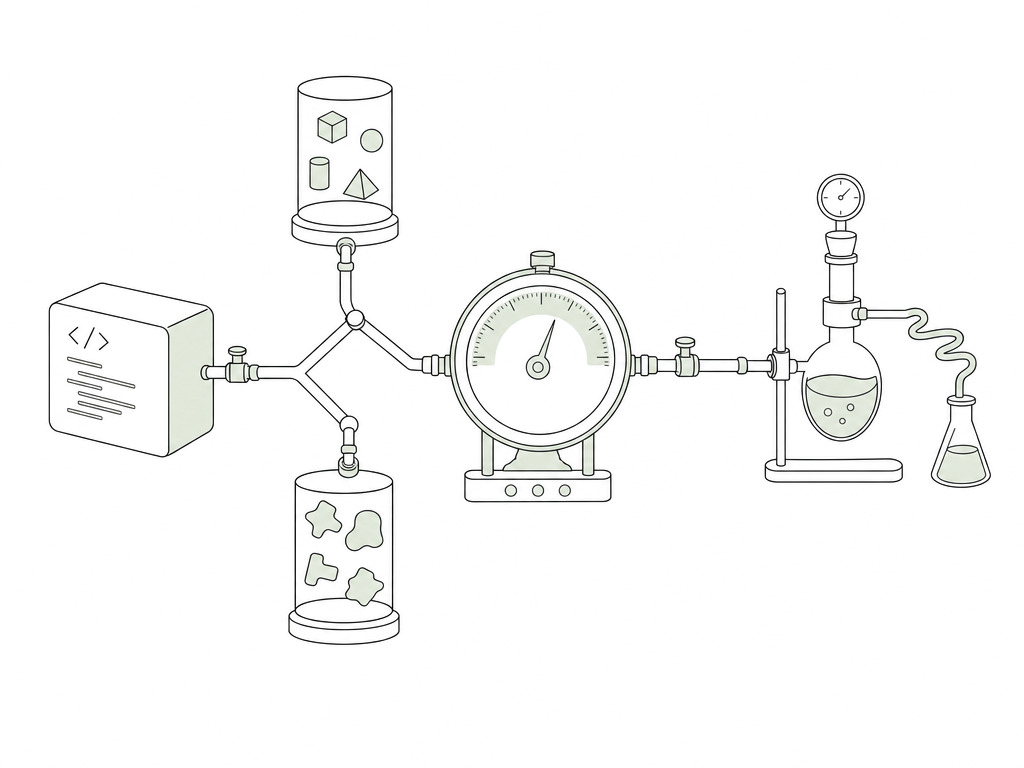

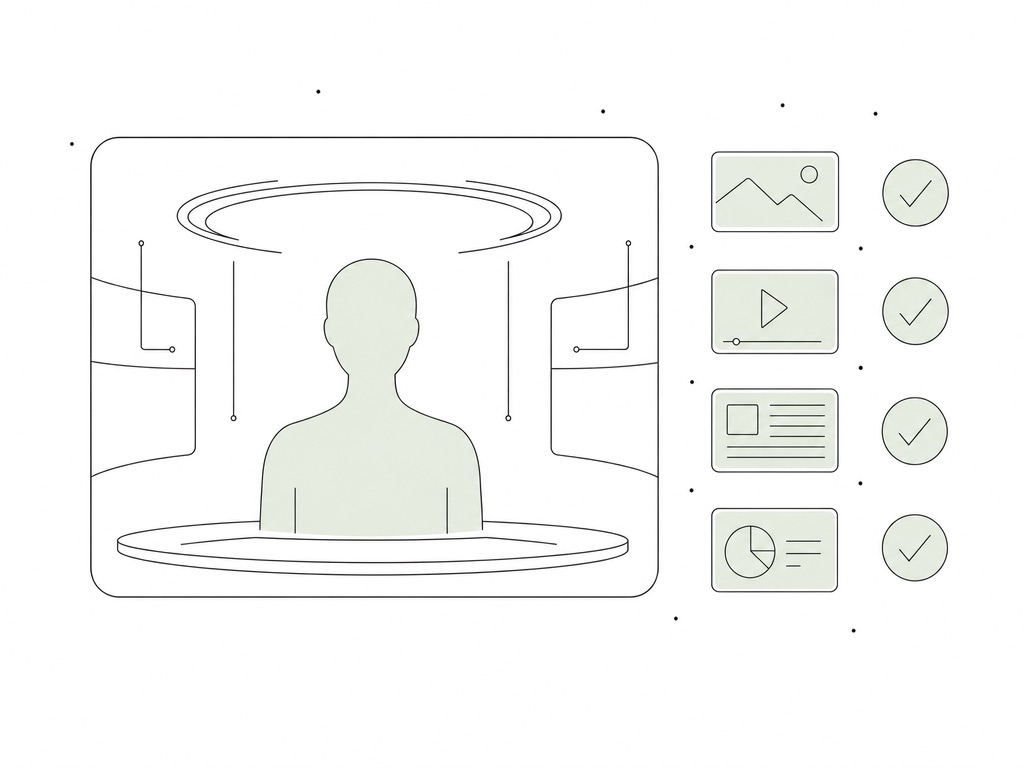
Speedrun is not only a video-generation problem. We have already written about why HTML can be a production medium for humans and models, and why slide visuals need template rigs instead of magic.
The presenter layer has a different problem.
It is about trust.
A virtual presenter can make a short digest warmer and easier to follow. A face, voice, and cadence help the viewer stay with the story. But the same presenter can damage trust if the format feels like it is pretending to be something it is not.
That is the product tension. The presenter should feel human enough to carry attention, but the format should remain visibly artificial enough that the viewer understands what they are watching.
Realism Is Not The Goal
It is easy to describe the target as realism.
Better faces. Better motion. Better lighting. Better voice. Better camera framing. All of that matters because uncanny delivery distracts from the story. If the presenter looks broken, the user starts evaluating the generation instead of listening to the reporting.
But realism alone is the wrong north star.
An overly conventional presenter in an overly conventional studio can feel deceptive. It borrows the rituals of a real newsroom without having the same production context behind it. The more it tries to look real, the more the viewer may look for the catch.
Speedrun needs a different shape.
The sources are real. The presenter is virtual. The format should make both obvious.
Human Presence Has A Job
The presenter is not there to prove that AI can make a host.
The presenter is there to help the story land.
That means the useful questions are practical. Is the presenter mostly speaking to the audience? Does a second camera angle help or does it make the viewer wonder where the host is looking? Does the voice create energy without sounding fake? Does the personality improve the summary, or does it pull attention away from the facts?
Short formats have less tolerance for awkwardness. A cutaway that might work in a longer show can feel strange in a one-minute digest. A sideways glance can feel like the presenter has lost the viewer. A style choice that is interesting in isolation can become noise when the user is trying to understand the story quickly.
The presenter should reduce cognitive load.
If it increases it, the product is using the wrong kind of realism.
The Studio Should Admit The Medium
The surrounding world can carry a lot of the trust work.
Speedrun does not need fake laptops, paper notes, coffee mugs, microphones, or other real-world presenter rituals. Those props imply a person sitting in a physical studio doing a familiar job. That is not what the system is.
A better virtual studio is designed, not disguised.
Color, framing, background surfaces, and controlled artificiality can signal that the presenter is virtual without making the presenter cartoonish. The world can be clearly generated while the human presence remains natural enough to be easy to watch.
That balance matters because trust does not only come from realism. It comes from consistency between what the product is and what it appears to be.
Captions Are Separate From Slides
The same trust issue shows up in captions and visuals.
A digest can have narration, slide text, source cards, captions, and visual explanations all competing for attention. If captions repeat what is already on a slide, the user starts reading two things at once. If slide text repeats the narration, the visual stops adding value. If captions are burned into the design, they become harder to treat as an accessibility or user-control feature.
The cleaner product model is separation.
Slides should explain what narration cannot easily carry. Captions should support users who need or prefer text. Presenter footage should carry human presence. Source visuals should establish credibility. Each layer has a job.
When those jobs blur, the digest feels busier without becoming clearer.
The Pipeline Needs Edit Points
This is why the production pipeline matters as much as the presenter prompt.
A Speedrun digest is not one generation. It is story generation, digest structure, slide production, storyboard decisions, presenter footage, captions, and final render. If those stages collapse into one opaque output, review becomes too late. The team can approve or reject the final video, but it has fewer useful handles for improving it.
The better shape is a studio pipeline with human edit points.
The story can be reviewed before slides are rendered. Slide variants can be chosen before the final storyboard. Presenter behavior can be adjusted without rewriting the facts. Captions can remain a user-control layer instead of becoming baked-in decoration. The final render should be the end of a controlled sequence, not the first moment where the product becomes inspectable.
That is also why hand-coded slide variants can be more useful than unlimited generation. The product gets variation where variation helps, while taste, hierarchy, fonts, colors, and safe areas stay under human control.
Trust Is A Stack
The useful way to think about Speedrun is as a trust stack.
At the bottom are the sources. They need to be real, inspectable, and tied to the story.
Above that are the visuals. They should be structured, readable, and specific to the point being made.
Above that is the presenter. The presenter should bring warmth, pacing, and attention without pretending to be an actual human reporter.
Above that is the product surface. It should give users enough control over captions, playback, and source inspection that the digest feels reviewable rather than opaque.
No single layer carries trust by itself.
The Product Should Be Honest About Its Shape
This is the broader lesson for AI media products.
The goal is not to hide the AI. The goal is to make the AI useful enough, controlled enough, and transparent enough that the user can focus on the content.
For Speedrun, that means realistic virtual presenters inside a visibly virtual format. It means source-backed visuals rather than generic atmosphere. It means captions as a user surface, not decoration. It means camera choices that serve attention instead of showing off generation.
The more serious product path is not more illusion.
It is better trust design.